Winemaking
Keep the good stuff. Skip the unnecessary stuff.
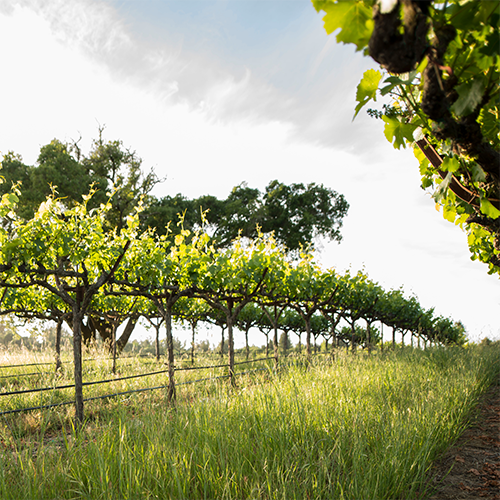
We’ve been making wine for more than 30 years, and if there’s one thing we’ve learned, it’s that great fruit doesn’t need a lot of interference.
Every vineyard and every vintage brings something a little different to the table, so we give each wine what it needs and leave out what it doesn’t. Minimal intervention helps preserve the character of the fruit, the place it was grown, and everything that makes each variety worth drinking in the first place.
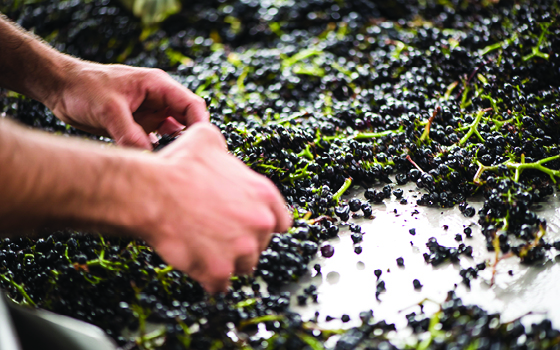
For Pinot Noir, that means partial whole-cluster fermentation, indigenous yeast whenever possible, and thoughtfully blending individual lots to hit that sweet spot of fruit, freshness, balance, and consistency.
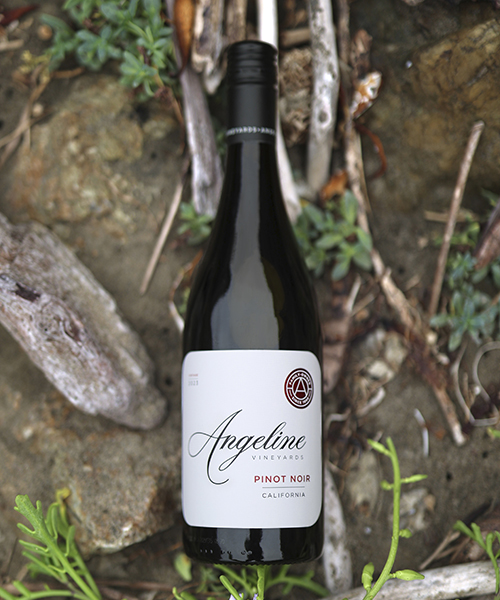
Pinot, Our Way.
We love Pinot Noir for exactly what it is: bright, expressive, juicy, and just a little bit unexpected.
Our approach is simple: start with great fruit, don’t mess with it too much, and let Pinot do its thing. We keep intervention to a minimum so every vintage stays fresh, vibrant, and true to the variety.
The result? Pinot Noir that actually tastes like Pinot Noir. Generous fruit. Bright acidity. Beautiful balance. Nothing overdone and nothing getting in the way.
Sustainability
Good wine should leave a good impression.
Not a big footprint.
Taking care of the places where our wines are grown and made just makes sense. We work with the Sonoma County Winegrowers Association and continue looking for smarter, more sustainable ways to operate every year.
A few of the ways we’re doing our part:
- Powered by sunshine. Solar energy supplies more than 80% of our winery’s power.
- Lights out when nobody’s home. Motion-sensitive cellar lighting helps reduce unnecessary energy use, with continued upgrades to LED lighting throughout the winery.
- Water gets another round. Our upgraded reclamation pond treats winery wastewater through aeration and filtration so much of it can be reused for landscape irrigation.
- Keeping our cool efficiently. Insulated glycol piping and winery tanks help maintain temperatures while using less energy.
- Fewer trucks on the road. We generate inert nitrogen on-site, reducing the need for compressed gas deliveries.
- Grapes get a second life. Stems, seeds, and skins left after winemaking are recycled into compost for vineyards and landscaping.
Because making wine we love is only part of the story. Taking care of where it comes from matters, too.